

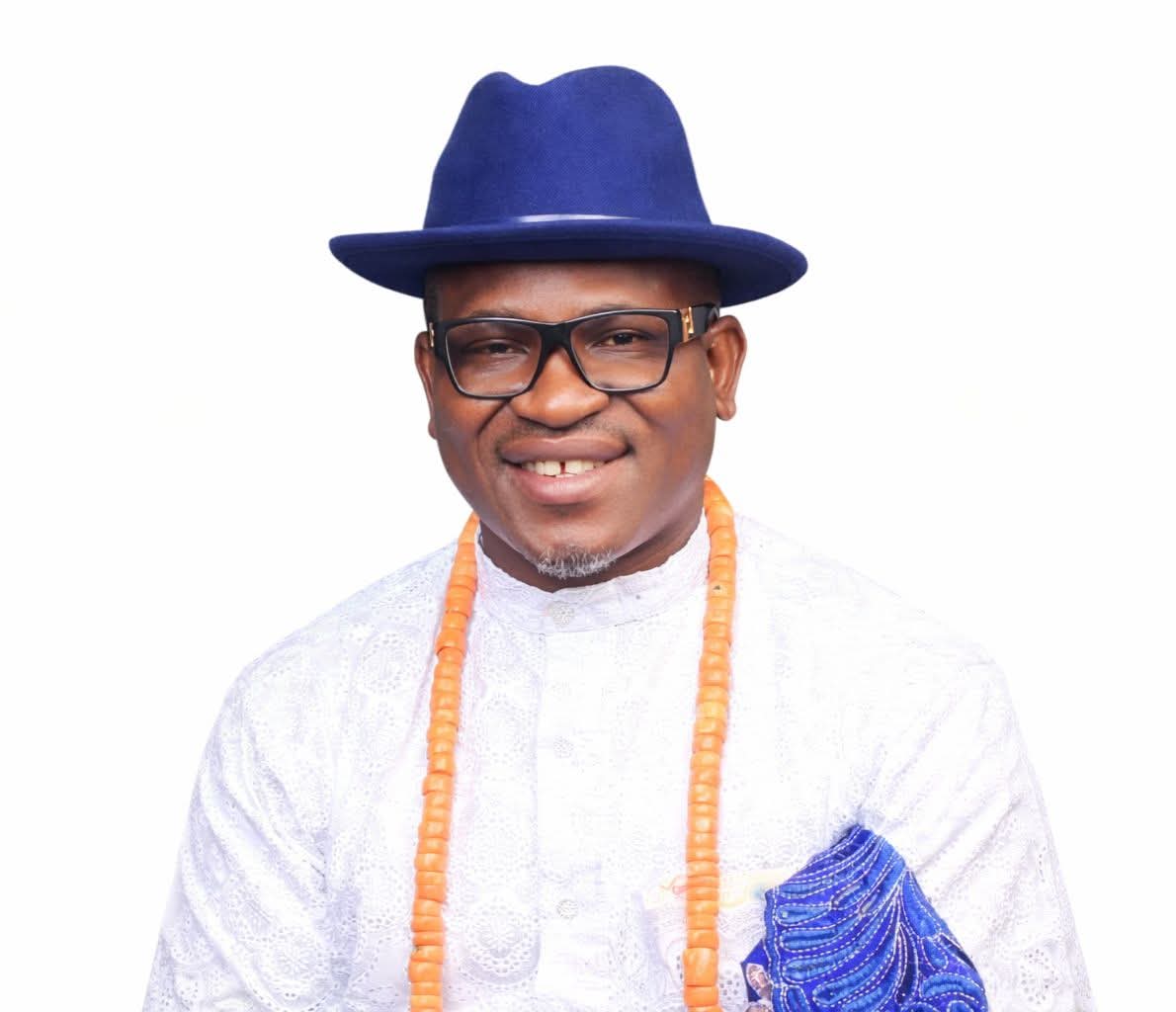
Delta State Commissioner for Works (Highways and Urban Roads), Reuben Izeze, has pushed back against claims that a consensus candidate has already been settled for the Ughelli South constituency ahead of the 2027 Delta State House of Assembly elections.
Speaking on Wednesday, Izeze dismissed the reports as false and politically motivated, accusing some actors within the All Progressives Congress (APC) of trying to pressure party members with what he described as an “Oga say” approach. Drawing from his own political experience, the former lawmaker said his emergence in 2014 under the Peoples Democratic Party followed a genuine consensus process agreed upon by party leaders and delegates in Otughievwen.
He explained that six out of seven aspirants stepped down willingly to support a common candidate, while one contender, Festus Eseoghene Utuama, was absent and later rejected the outcome. According to Izeze, what followed was an attempt to replace his name with claims that another primary had taken place, an action that triggered a legal dispute lasting several years.
News: Delta CP Oyeniyi Unveils Tough Anti-Crime Strategy
The case eventually made its way to the Supreme Court of Nigeria, which ruled in his favour in April 2018.
He added that respected leaders, including Ifeanyi Okowa, Edwin Clark and Moses Taiga, had tried, without success, to broker peace at the time.
Izeze said it is ironic that the same individual who once fought against a consensus arrangement is now being presented as a beneficiary of one. “It doesn’t add up,” he said. “You can’t reject consensus then and now turn around to embrace it when it suits you.”
He insisted that no recognised authority within the party has endorsed any consensus candidate for the 2027 race.
The commissioner called on party members in Ughelli South to ignore what he described as political messaging designed to mislead them, urging aspirants to test their popularity through a transparent process. While making it clear he will not be in the race, Izeze stressed that fairness and internal democracy must guide how candidates emerge.