

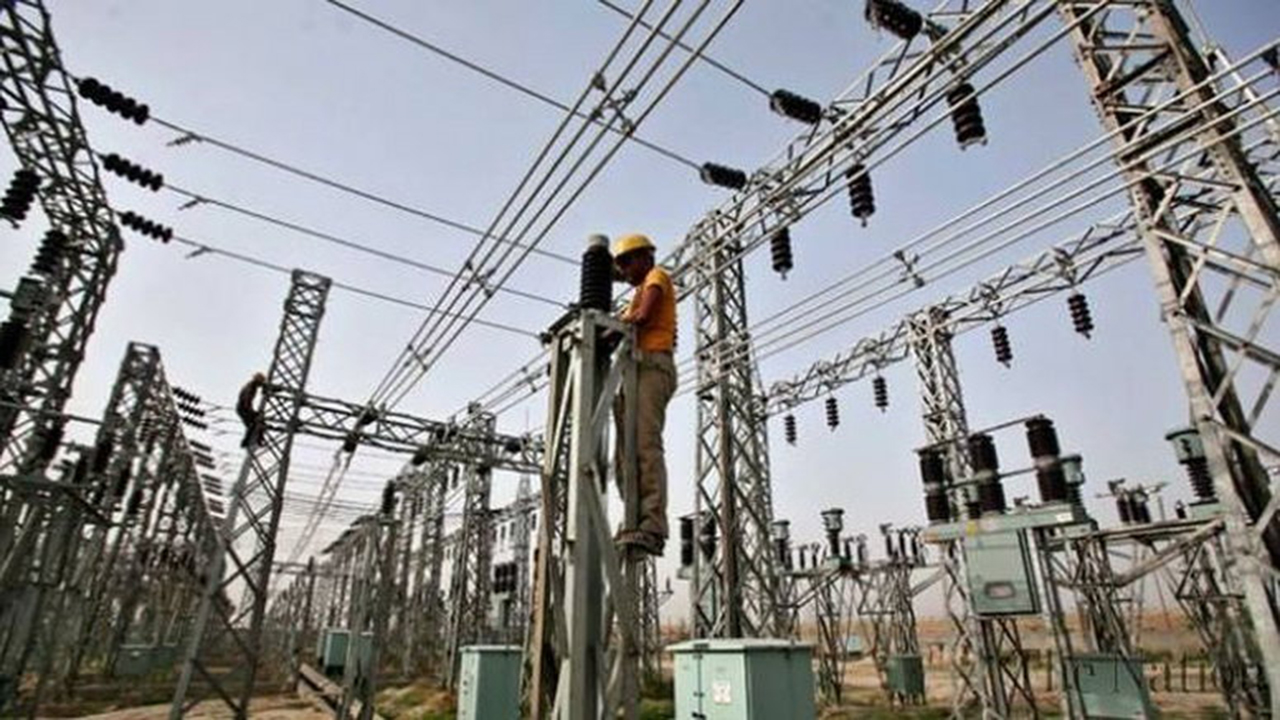
Nigeria has been generating electricity since 1896. That’s 130 years.Today, in March 2026, the national grid just dropped to 3,940 megawatts. For 220 million people.South Africa generates over 48,000MW for 60 million people. Egypt has about 59,000MW installed for 110 million.Nigeria? About 13,000MW installed.
But we can only push around 4,000 to 5,000MW through the grid on a good day. The rest just sits there wasted. The grid collapsed 12 times in 2024 alone. 128 transmission towers were destroyed by vandals in the same year. Government spent N8.8 billion just repairing them.
Between 2010 and 2022, NERC recorded at least 222 partial and total grid collapses. That’s roughly one every three weeks for 12 years straight. Every time the grid collapses, restarting just three power plants (Azura, Delta, and Shiroro) costs Nigeria about $25 million.
That’s N42.5 billion per collapse. For just three plants.The power sector owes generation companies N6.8 trillion as of February 2026. Growing by N200 billion every single month. By end of March, it’ll hit N7 trillion. Of that N6.8 trillion, about N3.3 trillion is owed to gas suppliers. So what did the gas suppliers do? They cut supply.
Right now, thermal plants need about 1,630 million standard cubic feet of gas per day. They’re getting 692 million less than 43%. That’s why your light is off right now. The government approved N4 trillion in bonds to fix it. So far they’ve issued N590 billion. The rest? We’re waiting.
Also Read: Air Peace Airlines: Unbranding a Gold Label
Meanwhile, Nigerians spend about $14 billion every year buying and fueling generators. 22 million generators across the country. Their combined capacity? About 42,000 megawatts. That’s 8 times what the national grid delivers. We literally have more generator capacity than grid capacity. Think about that.
In 2023, 767 manufacturing companies shut down. 335 more became distressed. 18,000 jobs gone. In the first half of 2025 alone, manufacturers spent N676.6 billion on backup power and still couldn’t meet their needs. Another 18,935 jobs lost. The World Bank estimates power outages cost Nigeria $29 billion annually.
That’s about 10% of GDP every year. This isn’t a power problem, it’s a governance problem. Egypt added 14,000 megawatts of gas capacity in six years using the same Siemens equipment we’ve been talking about for decades. Ghana fixed its power crisis between 2012 and 2016 and now exports surplus electricity.
South Africa just went 300 consecutive days without load shedding after committing to a real recovery plan. We’ve been “fixing” power since 1999. Every president has had an emergency power plan.
We’ve taken over $4 billion in World Bank loans for the power sector. The grid can barely hold 5,000MW anymore and it literally collapses. Nigeria cannot be a serious economy running on generators. No country industrialised on backup power.
By Dino Melaye