

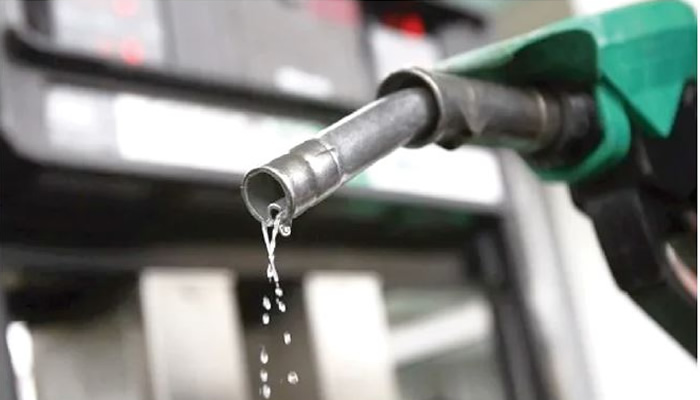
In a country blessed with one of the largest oil reserves in the world, it is nothing short of a tragedy that Nigerians are still queueing for hours sometimes days just to buy fuel.
Generators hum louder than the national grid, public transport grinds to a halt, and prices of everything from food to transportation skyrocket. Once again, Nigeria finds itself deep in a fuel crisis. But let’s be honest this isn’t just a crisis of supply. It’s a crisis of leadership, planning, and accountability.
How did we get here?
Fuel scarcity in Nigeria is nothing new. It’s become a recurring nightmare that we’ve learned to normalize. But normal doesn’t mean acceptable. The country produces over 1.3 million barrels of crude oil per day, yet we cannot refine enough fuel to meet our local demand. We export raw crude, import refined petrol, and then struggle with forex shortages, subsidy debts, and mismanagement that delay importation and distribution. It’s an economic loop that makes no sense—unless you’re one of the few profiting from the chaos.
The removal of fuel subsidies in 2023 was supposed to be the beginning of a new era. We were told that freeing the market would bring competition, stabilize prices, and eventually end scarcity. Over a year later, none of that has materialized for the average Nigerian. Instead, fuel prices have become painfully unpredictable, rising with every naira lost to the dollar, while wages remain stagnant. For millions already battling inflation, this is pushing them deeper into poverty.
And let’s not forget the human cost.
From farmers who can’t transport their goods, to students who miss classes because buses aren’t running, to families who sleep in darkness because they can’t afford generator fuel—this crisis hits every layer of society. Small businesses are shutting down. Hospitals are rationing power. People are suffering. And what we hear from those in charge? Silence, blame games, or vague promises.
The recent excuse is that international marketers are holding back imports due to forex challenges. But that only tells half the story. Where are our refineries? Why, after years of budget allocations and billions spent, are they still non-functional? Why is the Dangote refinery still unable to deliver refined products to the domestic market at scale? Why are there no clear timelines, no transparent policies, and no urgency?
Nigeria’s fuel crisis is not just an energy issue, it’s a governance issue. It exposes the cracks in our institutions, the weakness in our economic planning, and the absence of long-term vision. It’s not enough to throw temporary fixes at a problem that needs structural reform. We need investment in local refining, transparency in pricing, accountability in distribution, and leadership that acts, not just reacts.
Nigerians are resilient but resilience is not infinite. People are tired of suffering in a land of plenty. It is time for those in power to stop treating this crisis like weather—it didn’t just happen. It was created through years of neglect, corruption, and short-sighted policies.
We deserve better. Nigeria deserves better.
And until that becomes more than just a slogan, the queues will only keep getting longer.
Read also: Police Extortion in Nigeria — When Protectors Become Predators