

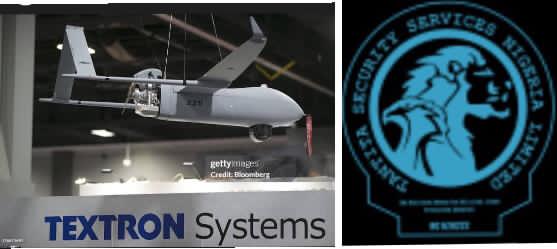
The agreement between Textron Systems and Tantita Security Services has injected fresh optimism into Nigeria’s long-running struggle to protect its oil infrastructure.
For decades, crude oil theft, pipeline vandalism, and illegal refining have drained national revenue, damaged the environment, and undermined confidence in the oil and gas sector. The introduction of advanced surveillance drones now offers a chance to change that narrative.
At a practical level, the pact addresses one of the biggest weaknesses in oil infrastructure protection: visibility. Nigeria’s pipelines crisscross difficult terrain—swamps, creeks, forests, and offshore areas where traditional patrols are slow, risky, and often ineffective. Textron’s surveillance drones promise continuous aerial monitoring, real-time intelligence, and faster response to threats. This capability could help security operators detect vandalism early, prevent large-scale spills, and disrupt the operations of oil thieves before significant damage is done.
Beyond technology, the deal signals a shift in strategy. Rather than relying solely on manpower and reactive measures, the focus is moving toward intelligence-driven security. Drones can cover vast areas in hours, provide evidence for investigations, and support coordinated action among security agencies. If used properly, this could mark a turning point in how critical national assets are protected.
Still, hope must be matched with responsibility. Surveillance technology is only as effective as the system that manages it. Clear oversight, proper training, and strict rules on data use are essential to prevent abuse and ensure public trust. Communities in oil producing regions, already sensitive to heavy security presence, must not feel targeted or excluded. Engaging them as partners not just subjects of surveillance remains crucial to long-term success.
There is also a broader lesson here: technology cannot replace political will and institutional strength. Drones may expose illegal activities, but without consistent enforcement, prosecution, and accountability, the gains will be limited. The Textron–Tantita pact should therefore be seen as one pillar of a wider effort that includes legal reform, community development, and transparent governance in the oil sector.
In the end, the partnership raises legitimate hope that Nigeria can better safeguard its oil infrastructure. Whether that hope translates into lasting results will depend on how wisely the tools are used—and whether this high-tech solution is supported by equally strong commitment on the ground.