

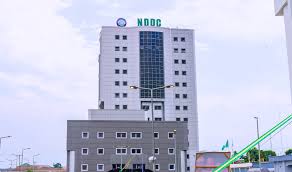
The Niger Delta Development Commission (NDDC) was established in 2000 with a clear and urgent mandate: to facilitate the rapid, even, and sustainable development of Nigeria’s oil-producing Niger Delta region.
The creation of the Commission followed decades of agitation over environmental degradation, infrastructural neglect, and socio-economic marginalization in the region.
Its core mandate included the development of roads, bridges, electricity, water supply, health facilities, education, housing, environmental remediation, and economic empowerment initiatives.
At inception, expectations were high that the Commission would transform the Niger Delta into a model of regional development.
Over the years, the NDDC has indeed implemented numerous projects across the nine Niger Delta states.
Roads have been constructed and rehabilitated in several communities, easing transportation challenges.
Schools have been renovated, and new classroom blocks have been provided in underserved areas.
Health centres have been built or upgraded, improving access to primary healthcare services.
The Commission has also awarded scholarships to students, including foreign postgraduate scholarships, empowering thousands of youths academically. Skills acquisition and youth empowerment programmes have helped many young people gain vocational competencies.
Also Read: http://Delta Aide Samson Resigns to Chase 2027 Assembly Seat
Through various interventions, the NDDC has contributed to job creation and local economic stimulation.
Solar-powered street lighting projects have been widely implemented in urban and semi-urban communities.
These streetlights have improved visibility at night and contributed to enhanced security in some areas.
Markets, highways, and public spaces illuminated by solar lights have experienced extended business hours.
For these efforts, the Commission deserves acknowledgment and commendation.
However, development must always align with foundational mandates and pressing grassroots realities.
A growing concern among residents is that while streets are illuminated, many homes remain in darkness.
Rural electrification and household power access remain inconsistent and inadequate across large parts of the region.
In riverine and remote communities, families still rely on generators, kerosene lamps, or complete darkness after sunset.
The irony of brightly lit streets juxtaposed with powerless homes cannot be ignored. Electricity at the household level directly impacts education, health, and small-scale enterprises. Students cannot effectively study at night without reliable indoor lighting. Families cannot preserve food or power essential appliances without stable electricity.
Micro and small businesses struggle to grow without dependable energy access. While street lighting enhances public aesthetics and security, it does not substitute for domestic electrification. The proverb “charity begins at home” is especially relevant in this context.
True community development must first empower households before beautifying public spaces.
The Commission’s original mandate emphasizes integrated and sustainable development, not isolated infrastructural gestures.
Balanced development requires that energy interventions prioritize homes alongside streets.
Solar technology presents a unique opportunity for decentralized household electrification in off-grid communities. Extending solar solutions to individual homes would have a transformative social impact.
Home-based solar systems could power lights, fans, small appliances, and communication devices.
Such interventions would reduce poverty, improve living standards, and stimulate grassroots productivity.
By broadening its energy focus, the Commission would better reflect the spirit of its founding legislation.
This is not a call to abandon street lighting projects, which have their merits.
Rather, it is an appeal for balance, inclusivity, and alignment with core developmental objectives.
Strategic planning should ensure that rural electrification and household access form a central pillar of ongoing interventions. Community engagement and needs assessments can help determine priority areas for household solar deployment.
Twenty-five years after its establishment, the NDDC stands at a reflective moment in its institutional journey.
The people of the Niger Delta say: thank you for the efforts so far—but not very much—because true appreciation will come when development begins at home and radiates outward, not merely when streets shine while houses remain in darkness.
Written by King Onunwor