

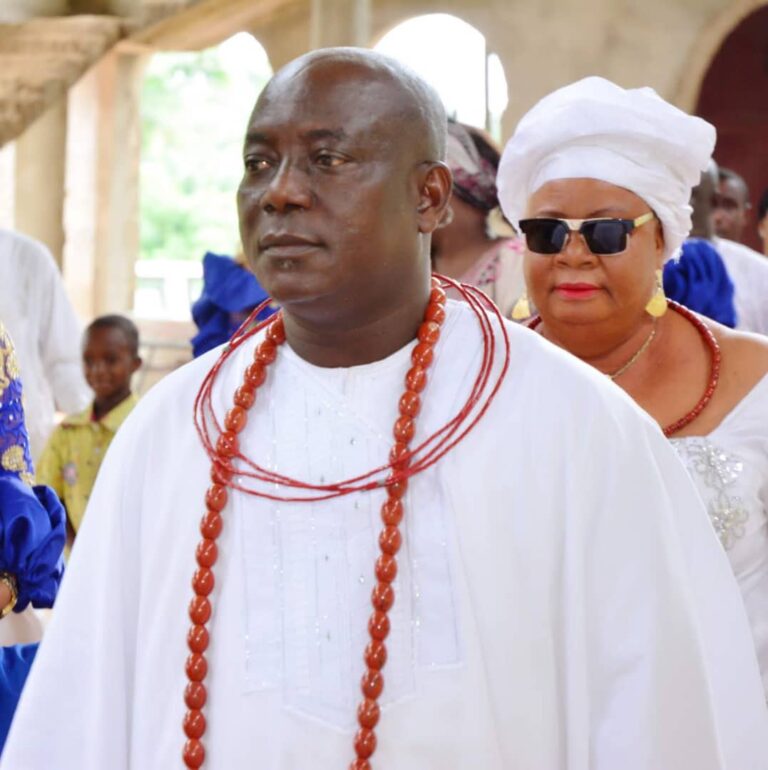
Olorogun John Nani has renewed his advocacy for the Urhobo cause, promoting an irredentist agenda anchored on historical justice, cultural preservation and political reawakening within Delta State and the Nigerian federation.
Speaking at a meeting of Urhobo traditional rulers, professionals and youth stakeholders, Nani said the Urhobo people must consciously reclaim their ancestral heritage and political relevance through lawful, organised and people-driven action.
He described Urhobo irredentism as an ideological framework designed to address historical distortions arising from colonial-era administrative arrangements, post-independence boundary changes and political compromises which, he said, weakened Urhobo influence in the Niger Delta.
According to him, these developments have over time eroded ancestral claims, diminished political bargaining power and weakened the cultural authority of Urhobo communities, despite their population strength and economic contributions to Delta State. He warned that silence and internal divisions would only worsen marginalisation, noting that ethnic consciousness, when responsibly channelled, remains a legitimate tool for political mobilisation and renewal.
Nani urged Urhobo elites and political actors to place collective interests above personal ambitions, observing that disunity and fragmented leadership have historically undermined the ethnic group’s standing in state and national affairs.
He also called on traditional institutions across Urhobo land to take a more assertive role in protecting ancestral heritage, cultural values and communal interests, describing traditional authority as a stabilising force in ethnic mobilisation. Addressing the youth, he stressed the importance of education, civic engagement and disciplined activism, while cautioning against violence, apathy and factionalism.
Nani reiterated that Urhobo irredentism is not a call for secession or disorder, but a demand for justice, recognition and strategic engagement, urging stakeholders to unite around a common agenda rooted in dialogue, legality and shared purpose.
Observers say his stance reflects a growing resurgence of ethnic self-assertion among Urhobo intellectuals and political leaders who argue that structured, constitutional advocacy is necessary to address long-standing grievances.