

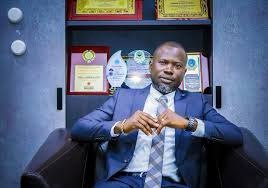
The Delta State Commissioner for Environment, Mr. Ejiro Jamani, has emphasized the urgent need to protect and sustainably manage wetlands across the state, describing them as vital to the environment, economy, and the spiritual and cultural identity of the people.
He noted that Delta State is richly endowed with one of the largest wetland networks in West Africa, ranging from the mangrove forests of the Niger Delta to the estuaries of the Forcados, Escravos, Warri and Benin Rivers, the Ase and Ethiope floodplains, the Burutu and Patani wetlands, as well as the freshwater swamps in the Upper Orashi axis.
The Commissioner made these remarks during the World Wetlands Day celebration in Asaba, the state capital. World Wetlands Day is observed globally, with this year’s theme being “Wetlands and Traditional Knowledge: Celebrating Cultural Heritage.”
Represented at the event by the Director of Sanitation and Waste Management, Mrs. Francisca Atiga, Jamani explained that wetlands are not only ecological assets but also storehouses of culture, history, and indigenous knowledge. He pointed out that traditional practices have long supported the sustainable use of wetlands, as fisherfolk respect breeding seasons, farmers understand flood patterns, herbalists rely on medicinal plants from swamps and mangroves, and community elders enforce customs and taboos that protect sacred rivers, forests, and wildlife.
Despite their importance, the Commissioner expressed concern over increasing threats to wetlands in Delta State. These include oil pollution, illegal dredging, sand filling, destruction of mangroves, indiscriminate waste disposal, rapid urban growth, and the impacts of climate change. To address these challenges.
He called for stricter enforcement of environmental laws, community-driven conservation involving traditional rulers, youths and women, intensified environmental awareness campaigns, and the promotion of sustainable livelihoods such as eco-friendly fishing, mangrove restoration, and eco-tourism.
He urged all stakeholders to join forces in safeguarding the state’s wetlands, stressing that the future of Delta State’s environment, culture, and economy is closely tied to the health of these ecosystems.
Earlier in her remarks, the Director of Environmental Conservation, Mrs. Rebecca Oruma, described the celebration as a call to action, noting that wetlands remain essential to the environmental, cultural, and socio-economic wellbeing of the state.