

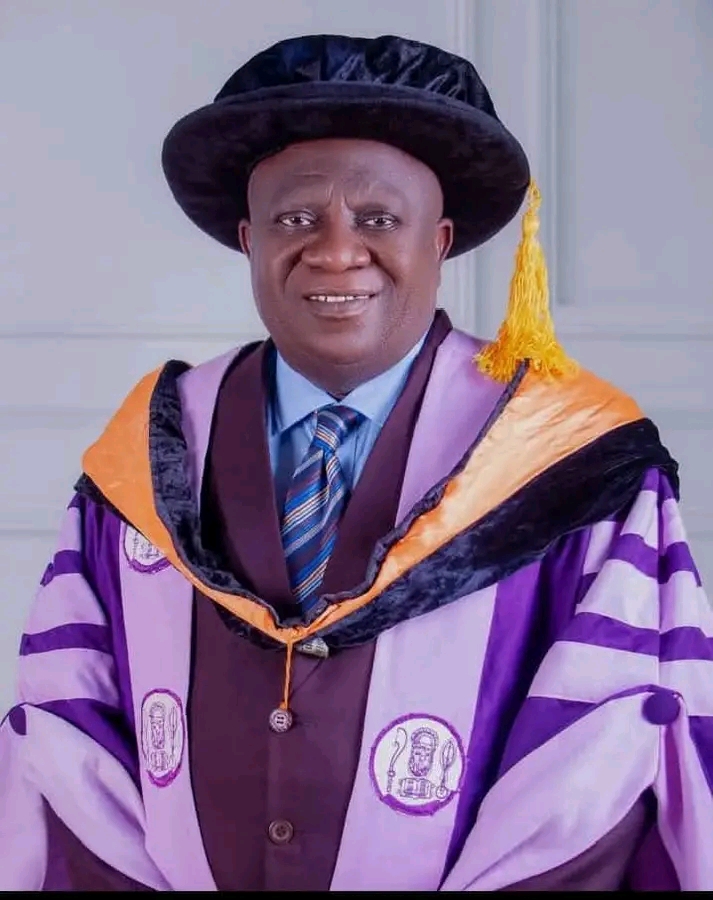
Nigeria’s electoral system places enormous trust in the academic community. Since 1999, the country has relied heavily on university professors to serve as returning officers during elections conducted by the Independent National Electoral Commission (INEC).
The idea was simple: scholars, by virtue of their training, intellectual discipline and presumed integrity, would safeguard the credibility of the democratic process.
On paper, it appeared to be a sound decision. Professors were expected to bring neutrality, professionalism and moral authority to the management of election results. In practice, however, the system has not always delivered the integrity Nigerians hoped for.
Over the past two decades, numerous elections have been marred by allegations of manipulation, result alteration and undue influence. In many of these cases, professors serving as returning officers have been accused of either failing to prevent malpractice or, in some instances, being complicit in the process. The implication is troubling: the very individuals entrusted with protecting electoral credibility are sometimes perceived as part of the problem.
This situation raises deeper questions about the role of Nigeria’s intellectual class in national development. Universities are expected to produce thinkers, innovators and ethical leaders who help shape society for the better. When members of that community are linked to practices that undermine democratic institutions, the damage extends far beyond a single election cycle.
News: Delta Govt Approves New Hostels for Nine Tertiary Institutions
The involvement of academics in electoral administration was meant to strengthen the system. Instead, recurring controversies have cast doubts on whether the arrangement still serves its intended purpose. Critics argue that some academics have allowed political pressures, financial inducements or institutional weaknesses to erode the values associated with scholarship.
At the same time, university lecturers, often through the Academic Staff Union of Universities (ASUU) have repeatedly challenged the government over issues such as funding, infrastructure and the welfare of academic staff. While those concerns are legitimate, the moral authority behind such demands becomes weakened if sections of the academic community are perceived to be enabling the very political dysfunction they criticise.
The irony is difficult to ignore: a nation’s intellectual elite helping to validate flawed electoral outcomes, only to later confront the consequences of poor governance produced by those same processes.
To be clear, the responsibility for electoral malpractice in Nigeria does not rest solely on professors. Politicians, security agencies, electoral officials and other actors share in the failures of the system. Yet the role of academics is particularly significant because they are expected to represent the highest standards of knowledge, ethics and civic responsibility.
Nigeria’s democracy depends not only on laws and institutions but also on the character of those who operate them. If the academic community wishes to maintain its credibility and influence in national affairs, it must uphold the values of integrity, independence and public accountability.
The country entrusted professors with the task of protecting its elections because it believed in their intellectual and moral leadership. Preserving that trust requires more than credentials—it demands courage to defend democratic principles even in the face of pressure.
Nigeria’s professors must therefore reflect on their role in the electoral process and ensure that scholarship remains synonymous with integrity. The health of the nation’s democracy may depend on it.