

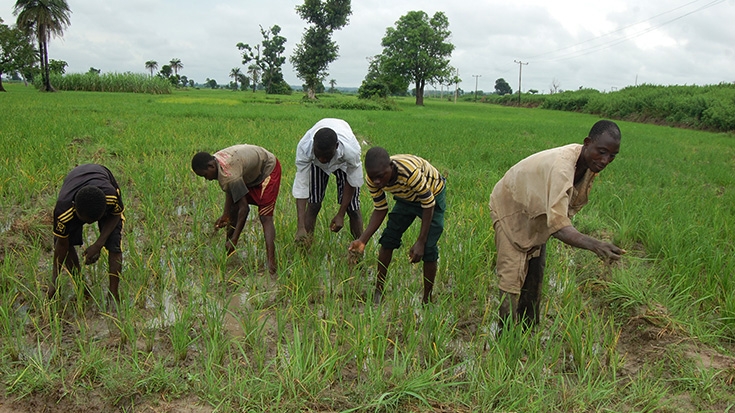
Nigeria is potentially losing around $9–$ 10 billion each year due to post-harvest waste, a significant loss that experts claim is jeopardizing food security, diminishing farmers’ earnings, and hindering economic development.
This alert was raised by Segun Alabi, the CEO of Davidorlah Nigeria Limited, an agritech company spearheading large-scale pineapple cultivation and fruit concentrate manufacturing in West Africa.
Alabi, whose business oversees Davidorlah Farms, the largest pineapple estate in the region, stated that these losses stem from “inefficient harvesting practices, insufficient storage, inadequate transportation systems, and limited processing capabilities,” which result in 30 to 50 percent of Nigeria’s agricultural yield being wasted annually.
“What Nigeria loses each year due to post-harvest waste is sufficient to revolutionize the agricultural sector and significantly enhance GDP if it is managed effectively,” he expressed while addressing reporters in Abuja.
He emphasized that tackling this issue demands immediate investments in advanced storage solutions, cold-chain logistics, silos, and decentralized processing centers to prolong the shelf life of perishable crops.
Also Read: http://Stop Importing Fuel, We Can Produce Enough Locally – Dangote
Alabi also emphasized the need for farmer education, improved rural road infrastructure, affordable preservation technologies such as solar dryers, and conducive government policies.
He asserted that minimizing agricultural waste would instantly bolster the economy by increasing market-ready produce, widening export possibilities, and enhancing food security.
“When farmers retain a greater portion of the value from their crops, the entire value chain benefits. This leads to higher national productivity, improved rural livelihoods, and a more robust agricultural sector,” he remarked.
Alabi indicated that effective strategies for reducing waste could generate thousands of new employment opportunities in logistics, storage management, food processing, equipment manufacturing, and farmer-training services, especially benefiting women and youth in rural communities.
He also noted the environmental advantages, stating that reducing waste would alleviate stress on land and water resources while decreasing greenhouse gas emissions from decaying organic matter. Opportunities to convert waste into wealth, such as composting, organic fertilizers, animal feed, bioenergy, and bioplastics, offer “new and lucrative avenues for entrepreneurs,” he added.
Alabi called for a shift in national policy, cautioning that Nigeria “cannot afford to continue losing billions of dollars each year to waste when these losses signify vast opportunities for wealth generation.”
He urged the government to spearhead investments and establish a supportive atmosphere for innovation, emphasizing that the future of agriculture in Nigeria hinges on how swiftly the nation addresses the post-harvest waste dilemma.