

In recent weeks, headlines have been filled with encouraging news about Nigeria’s economy. International bodies like the IMF have upgraded growth forecasts, government officials speak confidently about recovery, and economic reports suggest stability is gradually returning. On paper, it appears Nigeria may finally be turning a corner. But on the streets, in markets, offices and homes, many Nigerians are asking a different question: is the economy truly improving, or is it only sounding good in reports?
Inflation is said to be slowing, foreign reserves are improving, and GDP growth projections for 2026 look stronger than previous years. Government policies, especially in the foreign exchange market and fuel subsidy reforms, are often presented as bold steps toward long-term stability. Investors are slowly returning, and international confidence in Nigeria seems to be rising.
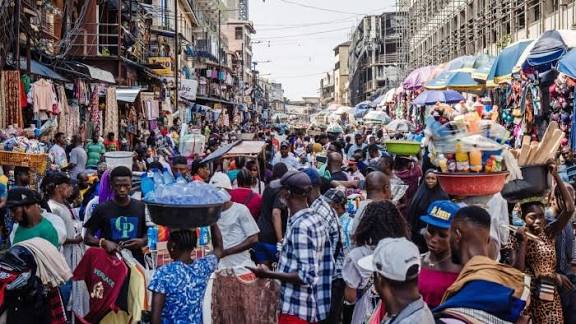
Yet for the average Nigerian, daily life tells another story. Food prices remain high, transport costs continue to rise, and rent in major cities like Lagos, Abuja and Port Harcourt have become almost unbearable. Many families still struggle to afford basic meals, while small business owners complain that running costs are wiping out their profits.
The naira, though showing signs of stability in official markets, still behaves unpredictably in the parallel market. Traders and importers say the difference between official rates and black market rates continues to affect prices of goods. This gap makes it difficult for businesses to plan properly, and for consumers to enjoy any real relief.
Also see: Nigeria’s Gender Shift: How New Policies Are Redefining Society
Unemployment and underemployment remain major concerns, especially among young people. While government statistics may show slight improvements, thousands of graduates still roam the streets searching for jobs. Many have turned to informal work, online hustles or migration plans, not because opportunities are booming, but because survival demands creativity.
Another issue is that economic growth does not always translate into improved living standards. Even if the economy grows, wealth distribution remains uneven. A small group benefits from reforms and investments, while millions see little or no change in their living conditions. This gap fuels frustration and weakens public trust in economic policies.
Supporters of the current reforms argue that economic recovery takes time. They insist that today’s hardship is the price for tomorrow’s stability, and that patience is needed before real benefits reach the masses. Critics, however, believe that policies are too harsh on ordinary citizens and lack strong social protection measures to cushion the impact.
So, is Nigeria’s economy really improving? The answer may be both yes and no. Yes, in terms of statistics, investor confidence and international perception. But no, in terms of daily experience for most Nigerians who still battle rising costs, job scarcity and financial uncertainty.